
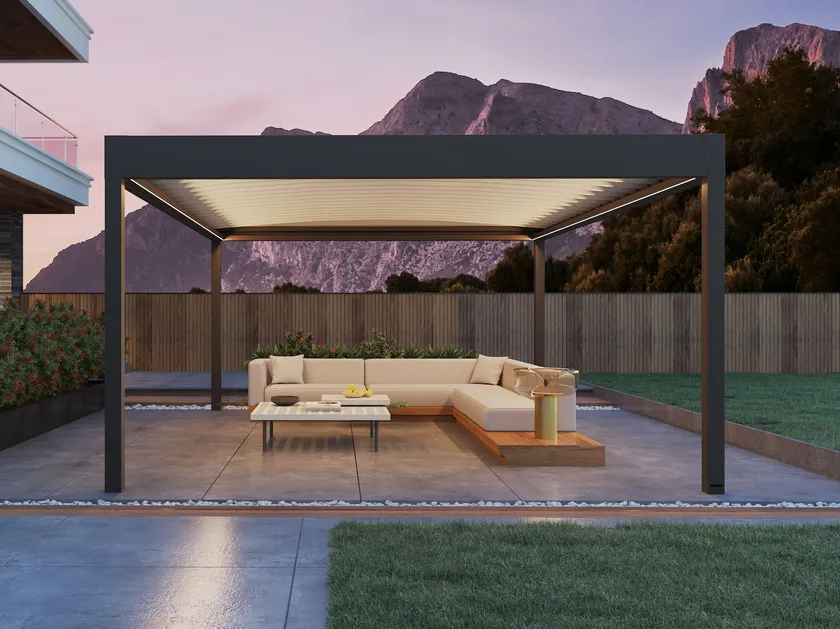
Transform Your Garden into a Year-Round Entertainment Haven
Transforming an outdoor area into a functional living space requires strategic planning and the right structural elements. Pergolas serve as versatile architectural features that create defined outdoor rooms whilst providing partial shade and visual appeal to gardens, patios, and decks.
Pergolas effectively extend indoor living areas outdoors by establishing comfortable zones for dining, relaxation, and entertainment throughout the seasons. These structures work particularly well in British climates, offering protection from light rain whilst allowing natural light to filter through their open-roof design.
The variety of pergola styles, materials, and customisation options available today means homeowners can create outdoor spaces that complement their property’s architecture and meet specific functional needs. From modern metal frameworks to traditional timber constructions, pergolas adapt to different garden sizes and design preferences whilst adding long-term value to outdoor environments.
Key Takeaways
- Pergolas create functional outdoor rooms that extend living space beyond the home’s interior walls
- Different pergola materials and designs suit various architectural styles and climate requirements
- Proper planning and regular maintenance ensure pergolas remain attractive and structurally sound for decades
Benefits of Outdoor Living Spaces with Pergolas
Pergolas transform ordinary gardens into functional outdoor rooms that provide practical advantages year-round. These structures deliver measurable comfort improvements, financial returns, and extended seasonal use for homeowners.
Enhanced Comfort and Shade
Pergolas create partial shade that reduces ambient temperatures beneath the structure by 10-15 degrees compared to full sun exposure. The slatted roof design allows filtered sunlight whilst blocking harsh direct rays.
The open-roof structure permits natural airflow that prevents the stagnant conditions common in fully enclosed spaces. This ventilation keeps the area comfortable even during warm summer afternoons.
Pergolas accommodate various comfort enhancements:
- Retractable canopies for additional shade control
- Outdoor fans for improved air circulation
- Privacy screens to block wind and neighbours’ views
- Built-in seating areas for relaxation
The structure provides shelter from light rain whilst maintaining an outdoor atmosphere. Users can remain outside during brief showers without retreating indoors completely.
Increased Property Value
Estate agents report that well-designed pergolas can increase property values by 3-8% depending on the installation quality and local market conditions. This return typically exceeds the initial construction costs.
Pergolas enhance kerb appeal by creating visual interest and architectural definition in outdoor spaces. They establish clear zones for entertaining and relaxation that prospective buyers find attractive.
The structures extend the home’s usable living space without requiring planning permission in most cases. This additional “room” appeals to buyers seeking larger entertaining areas.
Quality materials like cedar, aluminium, or treated timber demonstrate long-term durability that adds to the investment appeal. Buyers recognise these materials require minimal maintenance whilst providing lasting functionality.
Year-Round Outdoor Use
Pergolas enable outdoor activities during multiple seasons by providing weather protection and defined spaces. The partial shelter allows use during light precipitation and reduces wind exposure.
Winter functionality improves with additions like:
- Outdoor heaters mounted to pergola posts
- Clear weather panels that block wind whilst maintaining views
- String lighting for evening ambience during shorter days
Spring and autumn use extends significantly as the structure provides wind protection during transitional weather. The defined space feels more comfortable than exposed garden areas.
The pergola framework supports seasonal decorations and plants that change the space’s character throughout the year. Climbing vines provide additional shade in summer whilst allowing more light during winter months when leaves drop.
Types of Pergolas for Outdoor Living Spaces
Homeowners can choose from four main pergola types, each offering distinct advantages for different outdoor space requirements. Freestanding models provide maximum flexibility, whilst attached versions integrate seamlessly with existing architecture, and modern retractable or louvred systems deliver enhanced weather protection.
Freestanding Pergolas
Freestanding pergolas operate independently of existing structures, supported by four or more columns anchored directly into the ground. These versatile units can be positioned anywhere within a garden or patio area.
Key advantages include:
- Complete design freedom for placement
- No structural modifications to existing buildings required
- Easy relocation if garden layouts change
- Available in various sizes from compact 2×2 metre units to expansive 6×6 metre structures
Materials typically include treated timber, aluminium, or steel construction. Timber options like cedar or oak provide natural aesthetics but require regular maintenance. Metal alternatives offer superior durability with powder-coated finishes resisting weather damage.
Installation involves securing posts in concrete footings at least 60cm deep. Most homeowners can complete assembly within a weekend using basic tools. Professional installation ensures proper foundation work and structural integrity.
Attached Pergolas
Attached pergolas connect directly to house walls, creating seamless transitions between indoor and outdoor living areas. One side anchors to the building structure whilst the opposite end uses support posts.
These designs work particularly well for patios and decking areas adjacent to homes. The connection point requires proper flashing and waterproofing to prevent moisture issues. Wall-mounted brackets must align with structural elements like wall studs or masonry.
Lean-to configurations represent the most common attached style, featuring a sloped roof that directs water away from buildings. This design maximises coverage whilst maintaining proper drainage.
Planning permission may be required for larger attached pergolas, particularly those exceeding 4 metres in height or covering substantial ground area. Building regulations often apply when structures attach to residential properties.
Benefits include:
- Lower material costs due to shared wall support
- Enhanced architectural integration
- Larger coverage areas possible with fewer support posts
Retractable Roof Pergolas
Retractable roof pergolas feature adjustable canopy systems that open and close based on weather conditions. These modern systems use motorised mechanisms or manual cranks to control fabric or panel coverage.
Fabric-based systems employ weather-resistant materials like solution-dyed acrylic that blocks UV rays whilst allowing air circulation. Canvas sections slide along track systems mounted within the pergola frame.
Rigid panel versions use aluminium or polycarbonate sections that fold or slide to provide complete weather protection when closed. These systems often include integrated guttering for effective water management.
Electric models connect to standard household power supplies and include remote controls for convenient operation. Solar-powered options eliminate wiring requirements whilst providing sustainable functionality.
Installation costs range from £2,000 for basic manual systems to £8,000+ for premium motorised versions. Professional installation ensures proper track alignment and electrical connections where applicable.
Louvred Pergolas
Louvred pergolas incorporate adjustable slats that rotate to control sunlight and ventilation levels. Aluminium construction provides durability whilst maintaining relatively lightweight structures.
Blade angles adjust from fully closed positions that block rain to open configurations allowing maximum airflow. Most systems offer infinite positioning between these extremes for customised comfort levels.
Motorised controls enable precise adjustments via smartphone apps or wall-mounted switches. Integrated weather sensors automatically close louvres when rainfall begins, protecting furniture and occupants.
These premium systems include features like LED lighting strips within blade channels and integrated drainage systems that channel water through support posts. Professional installation is essential due to complex mechanical components and electrical requirements.
Costs typically range from £8,000 to £15,000 depending on size and feature specifications. Maintenance involves periodic lubrication of moving parts and cleaning of drainage channels to ensure optimal performance.
Pergola Design Considerations
Creating the perfect pergola requires careful planning across three critical areas: material selection impacts durability and maintenance requirements, colour choices affect visual appeal and property integration, whilst proper sizing ensures optimal functionality and aesthetic balance.
Selecting Materials
Timber remains the most popular pergola material, with cedar and redwood offering natural resistance to insects and decay. Pressure-treated pine provides a cost-effective alternative but requires regular maintenance every 2-3 years.
Aluminium delivers exceptional durability with minimal upkeep. It resists rust, warping, and insect damage whilst supporting heavier loads than timber. Modern powder-coating techniques create wood-like finishes that replicate natural textures.
Vinyl requires virtually no maintenance and withstands extreme weather conditions. However, it offers limited colour options and may appear less premium than timber or aluminium alternatives.
Steel provides maximum structural strength for large installations. Hot-dip galvanising prevents corrosion, though regular inspections remain essential in coastal environments where salt exposure accelerates deterioration.
Climate considerations significantly influence material performance. Humid regions favour aluminium or vinyl over timber, whilst areas with high UV exposure require materials with fade-resistant properties.
Colour and Finish Options
Natural timber finishes complement traditional and rustic architectural styles. Clear sealers preserve wood grain patterns whilst providing weather protection. Stained finishes enhance natural beauty whilst offering UV resistance.
White and cream colours create classic appeal and reflect heat effectively. These neutral tones suit most property styles and garden colour schemes without overwhelming existing landscaping elements.
Dark colours including charcoal, bronze, and black create contemporary aesthetics. They absorb more heat but provide striking contrast against light-coloured homes and bright garden foliage.
Earth tones such as browns, greens, and greys blend naturally with outdoor environments. These colours hide dirt and weathering better than lighter alternatives, reducing apparent maintenance needs.
Consider your home’s existing exterior colours when selecting finishes. Complementary colours create cohesive designs, whilst contrasting colours add visual interest and define separate outdoor zones.
Size and Proportion Planning
Standard pergola dimensions range from 3m x 3m for intimate seating areas to 6m x 4m for larger entertaining spaces. Beam spacing typically measures 600mm to 900mm centres for optimal shade coverage.
Height considerations affect both functionality and visual impact. Minimum clearance of 2.4m accommodates most users, whilst 2.7m to 3m heights create more spacious feelings and accommodate ceiling fans or hanging plants.
Site measurements must account for underground utilities, property boundaries, and building setback requirements. Local planning regulations may restrict size and placement, particularly for attached structures.
Proportional relationships with existing structures prevent overwhelming smaller homes or appearing insignificant beside larger buildings. The pergola width should not exceed the adjacent building’s width by more than 50%.
Ground conditions affect foundation requirements. Concrete footings suit permanent installations, whilst adjustable post anchors allow repositioning but require level surfaces for stability.
Incorporating Features and Amenities
A pergola becomes a complete outdoor living space through thoughtful integration of lighting, seating, and heating elements. These additions transform a basic structure into a functional retreat suitable for year-round use.
Outdoor Lighting Solutions
Proper lighting extends pergola use well into evening hours whilst creating ambient atmosphere. String lights remain the most popular choice, draped between rafters or wrapped around posts for warm, casual illumination.
LED strip lighting offers modern alternatives with dimming capabilities and colour options. These strips mount underneath beams or along post edges for subtle accent lighting.
Pendant lights suspended from crossbeams provide task lighting over dining areas. Solar-powered options eliminate electrical requirements whilst reducing operating costs.
Landscape lighting around the pergola’s perimeter enhances safety and visual appeal. Uplighting directed at climbing plants creates dramatic shadows on overhead beams.
Motion sensors paired with security lighting ensure safe navigation whilst conserving energy. Smart lighting systems allow remote control and programmable schedules through mobile applications.
Integrated Seating Areas
Built-in seating maximises space efficiency whilst providing permanent furniture solutions. Corner benches with storage compartments underneath serve dual purposes in compact areas.
Wraparound seating following the pergola’s perimeter accommodates larger gatherings. These installations typically include weather-resistant cushions with removable covers for easy maintenance.
Fire pit seating combines heating elements with circular bench arrangements. Stone or concrete benches withstand temperature fluctuations better than wooden alternatives.
Swing seating suspended from reinforced beams adds recreational elements. Weight limits and beam strength require professional assessment during planning stages.
Privacy screens integrated with seating create intimate conversation areas. Living walls with climbing plants on trellis backing provide natural screening whilst improving air quality.
Heating Elements
Outdoor heaters enable comfortable pergola use during cooler months. Gas patio heaters provide immediate warmth with adjustable flame settings and mobility between locations.
Electric infrared heaters mount directly to pergola beams for space-saving installations. These units heat people and objects rather than air, improving efficiency in open spaces.
Fire tables serve dual purposes as heating sources and surface areas for drinks or food. Gas-powered models offer flame control whilst avoiding smoke issues associated with wood-burning alternatives.
Outdoor fireplaces create focal points whilst generating substantial heat output. Built-in models require proper ventilation and professional installation to ensure safety compliance.
Heat lamps suspended from pergola structures target specific seating areas. Commercial-grade units withstand weather exposure whilst providing consistent warmth distribution.
Landscaping and Styling Ideas
Creating a cohesive outdoor living space requires careful attention to plant selection, furniture placement, and seasonal styling elements that complement your pergola structure. The right combination of climbing vines, comfortable seating arrangements, and thoughtful decorative touches transforms a basic pergola into an inviting outdoor retreat.
Plant Integration and Greenery
Climbing vines offer the most effective way to integrate plants with pergola structures. Wisteria provides spectacular spring blooms and dense summer coverage, whilst jasmine delivers fragrant evening scents. Clematis varieties bloom throughout different seasons, extending visual interest.
Grapevines serve dual purposes, creating shade whilst producing fruit. They require sturdy support structures due to their weight when mature. Honeysuckle attracts wildlife and provides sweet fragrance during summer months.
Surrounding ground plantings should complement the pergola’s style. Lavender and rosemary create Mediterranean atmospheres with their aromatic properties. Hostas and ferns suit shaded areas beneath pergolas.
Container gardening allows flexibility in plant placement and seasonal changes. Large planters with boxwood or ornamental grasses define spaces effectively. Herb gardens in containers provide practical benefits for outdoor cooking areas.
Strategic lighting amongst plantings extends usability into evening hours. Solar lights woven through climbing vines create magical ambience without electrical complications.
Outdoor Furnishings
Furniture selection should match the pergola’s architectural style and intended function. Teak and eucalyptus withstand weather exposure whilst maintaining attractive appearances. Powder-coated aluminium offers lightweight, rust-resistant alternatives.
Dining areas require tables sized appropriately for the pergola’s footprint. Round tables facilitate conversation, whilst rectangular designs maximise seating capacity. Standard dining height works best for meal preparation and serving.
Lounge areas benefit from modular seating that adapts to different group sizes. Weather-resistant cushions in neutral tones coordinate with various decorative schemes. Ottoman storage provides dual functionality for cushion storage and extra seating.
Outdoor rugs define spaces and add comfort underfoot. Polypropylene materials resist moisture and fading. Size rugs to extend beyond furniture edges by at least 60 centimetres.
Side tables and console tables provide surfaces for drinks, books, and decorative elements. Built-in benches with storage compartments maximise space efficiency in smaller pergolas.
Seasonal Décor Choices
Spring decorations emphasise fresh growth and renewal. Pastel cushions and light throws complement emerging foliage. Potted bulbs like tulips and daffodils provide early colour before permanent plantings establish.
Summer styling focuses on comfort and sun protection. Bright cushions in blues and greens create cooling visual effects. Outdoor curtains or bamboo screens provide additional shade and privacy when needed.
Autumn arrangements celebrate harvest themes with pumpkins, gourds, and dried corn stalks. Warm-toned textiles in oranges and browns reflect seasonal colour changes. String lights extend usable hours as daylight diminishes.
Winter decorations maintain visual interest during dormant periods. Evergreen garlands and winter berry arrangements provide natural colour. Outdoor-rated fairy lights create festive atmospheres during holiday periods.
Lanterns and candles in hurricane glasses provide ambient lighting across all seasons. Weather-resistant artwork and metal sculptures offer permanent decorative elements that withstand seasonal changes.
Maintenance and Longevity of Pergolas
Proper maintenance extends pergola lifespan from 10 to 30 years depending on material and care practices. Regular cleaning, weatherproofing, and protective measures prevent deterioration and maintain structural integrity across different seasons.
Cleaning and Care
Regular cleaning prevents buildup of dirt, mould, and debris that can damage pergola materials over time. Wood pergolas require annual cleaning with mild detergent and soft brushes to avoid scratching the surface.
Aluminium pergolas need monthly cleaning with warm soapy water and a microfibre cloth. Avoid abrasive cleaners that can damage the powder coating finish.
Vinyl pergolas benefit from quarterly cleaning using a pressure washer on low settings. Remove any mildew immediately with a bleach solution mixed at a 1:10 ratio.
Key maintenance tasks include:
- Inspecting joints and connections every six months
- Checking for loose bolts or screws quarterly
- Removing leaves and debris from roof slats monthly
- Treating wood surfaces with sealant every 2-3 years
Professional inspections every two years help identify structural issues before they become costly repairs.
Weather Protection Measures
Seasonal preparation protects pergolas from extreme weather conditions that accelerate wear and damage. Winter preparation involves removing fabric covers and storing removable accessories indoors to prevent ice damage.
Apply waterproof sealant to wood pergolas before winter months. Check drainage around posts to prevent water accumulation and frost damage to foundations.
Summer protection includes installing UV-resistant covers or retractable canopies to shield both the structure and users from intense sunlight. Metal components expand in heat, so check connection points monthly during hot weather.
Storm preparation requires securing loose elements and removing temporary decorations. Trim nearby tree branches that could fall onto the pergola during high winds.
Consider these protective measures:
- Guttering systems for areas with heavy rainfall
- Post caps to prevent water infiltration
- Galvanised hardware in coastal environments
- Foundation drainage for clay soil conditions
Frequently Asked Questions
Homeowners considering pergola installations often require guidance on spatial planning, attachment methods, construction requirements, and material selection. Understanding potential drawbacks helps make informed decisions about these outdoor structures.
How can a pergola be integrated into a small garden space?
Compact pergolas work best when positioned against existing walls or fences to maximise usable ground area. Corner installations utilise otherwise unused spaces whilst creating intimate seating areas.
Vertical growing features like climbing plants or trellis panels add greenery without consuming floor space. These elements create natural privacy screens and enhance the garden’s visual depth.
Foldable or retractable pergola designs allow flexibility in small spaces. When not needed, these structures can be partially collapsed to open up the garden area for other activities.
Multi-functional designs incorporating built-in seating or storage benches eliminate the need for separate garden furniture. This approach reduces clutter whilst maintaining the pergola’s primary shade function.
What are some creative designs for pergolas attached to houses?
L-shaped pergolas extend along two walls of a house, creating wraparound outdoor living spaces. This design provides multiple zones for dining, lounging, and entertaining within a single structure.
Curved or arched pergolas soften the geometric lines of rectangular houses. These flowing designs create visual interest whilst maintaining the practical benefits of attached shade structures.
Multi-level pergolas work well with houses that have varying roof heights or outdoor steps. Different sections can accommodate sloped gardens or create distinct functional areas.
Glass or polycarbonate roof panels in sections of attached pergolas provide weather protection near house entrances. This hybrid approach balances open-air feel with practical shelter requirements.
What considerations are important for constructing large pergolas in outdoor living areas?
Foundation requirements become critical for large pergolas due to increased wind loads and structural weight. Concrete footings must extend below frost lines and comply with local building codes.
Planning permission may be required for substantial pergola installations. Height restrictions, boundary distances, and structural regulations vary between local authorities and must be verified beforehand.
Large pergolas require engineered timber or steel frameworks to handle structural stresses safely. Professional structural calculations ensure the design meets safety standards and weather resistance requirements.
Utility considerations include electrical wiring for lighting, water access for irrigation systems, and drainage management. These services should be planned during the design phase rather than retrofitted later.
Which roofing materials are most effective for pergola designs with the need for shade and shelter?
Polycarbonate panels provide excellent weather protection whilst allowing natural light transmission. These lightweight materials resist UV damage and can withstand hail impacts better than glass alternatives.
Retractable fabric canopies offer adjustable shade control throughout different seasons and weather conditions. High-quality outdoor fabrics resist fading, mould, and water penetration when properly maintained.
Louvered roofing systems allow precise control over sunlight and ventilation. Motorised versions enable remote adjustment to changing weather conditions throughout the day.
Natural reed screening or bamboo panels create tropical aesthetics whilst providing moderate shade and rain protection. These materials require more frequent replacement but offer sustainable roofing options.
Could you suggest some innovative pergola designs suitable for the frontage of a house?
Entry pergolas create welcoming transitions from driveways to front doors. These structures can incorporate house numbers, lighting fixtures, and climbing plants to enhance kerb appeal.
Garage-attached pergolas extend living space whilst screening parking areas from main garden views. These designs often include storage solutions for garden tools and outdoor equipment.
Front garden pergolas can frame specific landscape features like water fountains or sculpture displays. Strategic positioning draws attention to focal points whilst providing overhead structure.
Pergola walkways connect different areas of front gardens, particularly useful for properties with long driveways or multiple access paths. These covered passages provide shelter during wet weather.
What are the potential disadvantages of installing a covered pergola in a backyard?
Covered pergolas reduce natural rainfall reaching plants and lawn areas beneath the structure. Irrigation systems may become necessary to maintain healthy vegetation in these shadowed zones.
Maintenance requirements increase significantly with roofing materials, guttering, and weatherproofing components. Regular inspections and repairs prevent water damage and structural deterioration.
Planning restrictions may apply to covered pergolas due to their resemblance to permanent buildings. Some local authorities classify roofed structures differently, requiring additional permits and inspections.
Covered pergolas can create dark, enclosed feelings that contradict the open-air benefits of traditional pergola designs. Reduced airflow and natural light may make spaces feel cramped rather than liberating.